
Written by Erin Marshall, Attorney and Founder of Firecrest Injury Law
Updated: August 2026
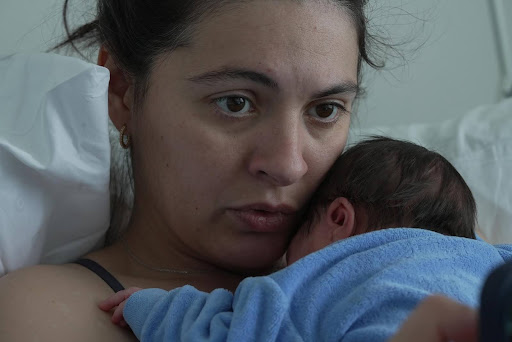
Episiotomy complications are a common cause of long-term pain after childbirth. In addition to the discomfort that can result from pelvic floor damage and scarring, episiotomy complications can also lead to incontinence, particularly fecal incontinence, and prolapse of organs supported by the pelvic floor. After decades of research showing the harms caused by poorly managed episiotomies, in 2026, there is no excuse for medical professionals not to take seriously the potential impacts on patients going through labor. The New Mexico women’s health advocates at Firecrest Injury Law have a proven track record of supporting women who have been harmed by medical negligence during childbirth. Call 505-218-9949 today to speak with a member of our maternal injury team.
Key Takeaways About Episiotomy Complications
Episiotomy complications can cause lasting pelvic floor injuries, and current medical guidance discourages routine use of the procedure except in limited, medically indicated circumstances.
- Episiotomy may lead to infection, incontinence, painful intercourse, pelvic floor dysfunction, and organ prolapse, particularly when the incision extends into anal or rectal tissues.
- Major medical organizations, including the World Health Organization and the American College of Obstetricians and Gynecologists, recommend against routine episiotomy in uncomplicated vaginal deliveries.
- Serious complications may occur when an episiotomy extends into the anal sphincter or rectal tissue or when an injury is not properly identified and repaired.
- In New Mexico, an episiotomy injury may raise medical malpractice questions when there is an alleged departure from accepted standards of care that results in patient injury.
This information reflects issues frequently addressed by Firecrest Injury Law in its work involving women’s health, childbirth injuries, and medical negligence matters in New Mexico.
What Are Episiotomy Complications?
Episiotomy is a surgical procedure that mimics or extends the natural tearing of the perineum commonly seen in vaginal births. While it can be helpful under certain circumstances and for part of the 20th century was widely performed in the United States, even in otherwise uncomplicated deliveries, today the practice is no longer recommended in most labor and delivery scenarios.
The complications that may result from episiotomy are in many respects similar to those that may occur with a “spontaneous” perineal tear, and include:
- Infection
- Incontinence
- Painful intercourse
- Pelvic floor dysfunction
- Prolapse
Cleveland Clinic identifies a degree of vaginal and perineal tearing occurs in as many as 80-90% of vaginal births, the extent of tearing and consequent degree of tissue damage from a natural tear are not generally a foregone conclusion. A surgical episiotomy, on the other hand, necessarily determines a minimum depth. Complications may be particularly grim if the obstetrician misjudges the depth of the cut and compromises the integrity of the anal sphincter and rectal tissues.
When Is an Episiotomy Medically Necessary?
Although there are risks to performing an episiotomy, both the World Health Organization (WHO) and the American College of Obstetricians and Gynecologists (ACOG) recommend against its routine use in uncomplicated deliveries. However, there are circumstances in which an episiotomy may be medically indicated.
These situations may arise when a delivery has become difficult. For example, an obstetrician may consider an episiotomy during an assisted delivery involving instruments such as a vacuum or forceps, or when the progress of labor has slowed and inadequate stretching of the vagina and surrounding tissues appears to be contributing to the delay. The decision to perform an episiotomy may become more urgent if there are signs of fetal distress, such as a slowing or inconsistent heartbeat.
How Are Episiotomy Injuries Diagnosed and Treated?
As is common in medical settings, often the leading strategy for managing episiotomy complications is first to prevent them to the extent possible, and then to mitigate the severity of their effects. In the context of episiotomy, usually this management begins with assessment of the depth to which perineal and adjacent tissues are compromised. Severity of episiotomy is rated in the same manner as that of a spontaneous perineal tear, along a continuum broken into degrees graded from “one” (the least severe) to “four” (the most severe). Accurate assessment in the delivery room is critical because the typical treatment is to stitch the area closed with sutures, in layers from the most internal (toward the rectal tissue) toward the outer skin, regardless of whether the tissue damage results from a cut or a tear.
Failure to suture the full depth of the injury can leave some of the most delicate tissues vulnerable, increasing the patient’s risk of infection, scarring, and prolonged pelvic pain. In severe cases, even a fistula, a serious post-birth complication in which fecal matter from a compromised rectum, or urine from a compromised bladder or urethra, leaks into the vaginal canal. Among other problems, fistula is associated with a significant increase in the postpartum patient’s risk of vaginal infection, as fecal bacteria infiltrate the still-healing tissues.
When Can an Episiotomy Injury Be Medical Malpractice?
Any childbirth comes with some degree of risk. Before the development of modern obstetric practice, giving birth to a child was one of the most common causes of death among women. These points are important to keep in mind when we are discussing potential medical malpractice in the delivery room.
Informed Consent
At the same time, we also need to be aware of both current medical standards and the importance of informed patient consent. Some of the most frustrating stories we hear at Firecrest Injury Law come from situations in which a maternal injury during labor and delivery was made more traumatic than it had to be by the lack of clear doctor-patient communication during the process. While it is true that sometimes medical decisions need to be made and executed quickly during a delivery, particularly when there are signs of fetal distress, it is also true that the mental and physical health of a laboring mother needs to be an obstetrician’s foremost priority.
Women have the right to exercise agency over their own healthcare decisions, and all patients have the right to have proposed treatments clearly explained, with their risks and potential benefits, and any alternatives the healthcare provider can offer.
Conservative Treatment and Care
That directive to do no harm underlies the general guidance to refrain from episiotomy except in cases where inadequate natural stretching and tearing at the vaginal opening is delaying the delivery or where other issues, such as weakening maternal contractions or concerning fetal vital signs, make assisting the delivery with medical instruments advisable. There is a general “rule of thumb” in many medical settings that holds it is preferable to err on the side of conservatism in implementing an intervention that itself has the potential for complications unless the circumstances suggest that the risks of withholding the intervention are greater (in severity or probability or both) than the risks posed by the intervention itself.
Episiotomy Malpractice and The Standard of Care In New Mexico
Additionally, New Mexico’s Medical Malpractice Act (NMMMA) considers there to be a potential instance of medical malpractice whenever a healthcare provider’s treatment of a patient deviates from the accepted standard of practice and that deviation results in harm to the patient. The specifics will always depend on the circumstances of the case, and medical injury lawyers often rely on the testimony of expert witnesses to supply important context for understanding how the medical decision-making in a particular instance compares to what is commonly accepted in the field.
In a case involving episiotomy complications, the standing guidance from ACOG is typically considered the de facto starting point for assessing whether an obstetrician’s decision to conduct an episiotomy constituted a deviation from the accepted standard of practice, but contributions from these experts can help to shed light on when a deviation from routine practice might be medically indicated.
Speak With a New Mexico Women’s Health Lawyer
If you have suffered from episiotomy complications after giving birth in New Mexico, the long-term effects on your health may impact your quality of life for years to come. Prolonged urinary or fecal incontinence, the loss of sexual satisfaction and pleasure in intimacy, and even psychological trauma associated with giving birth can disrupt your life, diminish your joy, and derail your relationships. Some of these effects may be more treatable than others, but even the most effective medical remedies for episiotomy complications are likely to come at high financial cost. Recovering compensation after a botched or simply unnecessary episiotomy can often help to put needed care within a patient’s reach. Call Firecrest Injury Law today at 505-218-9949 to schedule a conversation so that we can review the details of your case.
Frequently Asked Questions About Episiotomy Injuries
Read below to find more information about injuries from episiotomy complications.
What Is an Episiotomy?
An episiotomy is a surgical incision made in the perineum during vaginal childbirth to widen the birth canal. The procedure was once routine but is now generally discouraged except in specific medical situations.
What are the Most Common Complications of an Episiotomy?
Complications may include infection, painful intercourse, pelvic floor dysfunction, urinary or fecal incontinence, scarring, prolapse, and, in severe cases, injury involving the anal sphincter or rectum.
How Do Episiotomy Injuries Compare to Natural Tearing?
Natural perineal tears vary in depth and severity and may be less extensive than a surgical incision. An episiotomy creates a predetermined depth of injury, which can increase the risk of serious complications if misjudged.
When Do Medical Guidelines Consider Episiotomy Appropriate?
Episiotomy may be considered during complicated deliveries, such as when forceps or vacuum assistance is used or when fetal distress is present. Even in these situations, current guidance emphasizes careful judgment and restraint.
How Are Episiotomy Complications Typically Treated?
Treatment usually begins with assessing the degree of tissue damage and repairing the injury with layered sutures. Inadequate repair can increase the risk of infection, scarring, prolonged pain, or fistula formation.
Can Lack of Informed Consent Be an Issue With Episiotomy?
Yes. Patients generally have the right to understand proposed procedures, their risks, benefits, and alternatives. Performing an episiotomy without adequate explanation or consent may raise concerns about standards of care.
When Might Episiotomy Complications Be Considered Medical Malpractice in New Mexico?
Under the New Mexico Medical Malpractice Act, malpractice may exist when a provider deviates from accepted medical standards and that deviation causes harm. Guidance from organizations such as ACOG often informs this analysis.
How Can Firecrest Injury Law Assist With Episiotomy Complication Cases?
Consider visiting with an experienced attorney at Firecrest Injury Law to learn more about legal options related to childbirth injuries. The team works to ensure individuals understand their rights and potential legal paths under New Mexico law.
This article is provided for general educational purposes and is not a substitute for individualized medical advice or legal advice. Every medical malpractice case depends on its specific facts and circumstances.